Fewer than 400 remain in the wild. Together, we can ensure they don't vanish forever.
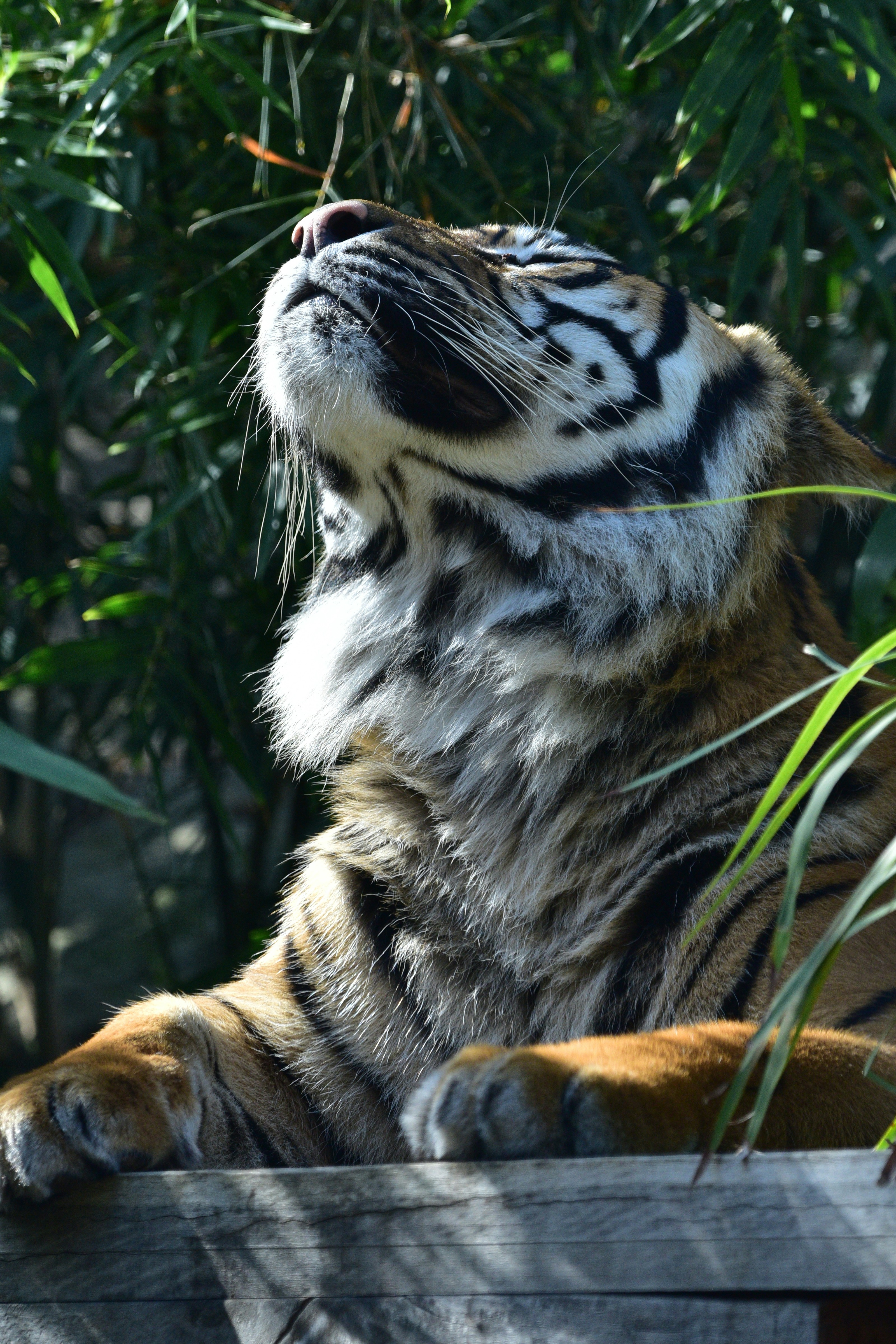
The Sumatran tiger (Panthera tigris sumatrae) is the smallest of all tiger subspecies, yet it embodies the wild spirit of Indonesia's ancient rainforests. Found only on the Indonesian island of Sumatra, these magnificent cats are perfectly adapted to their dense, tropical habitat.
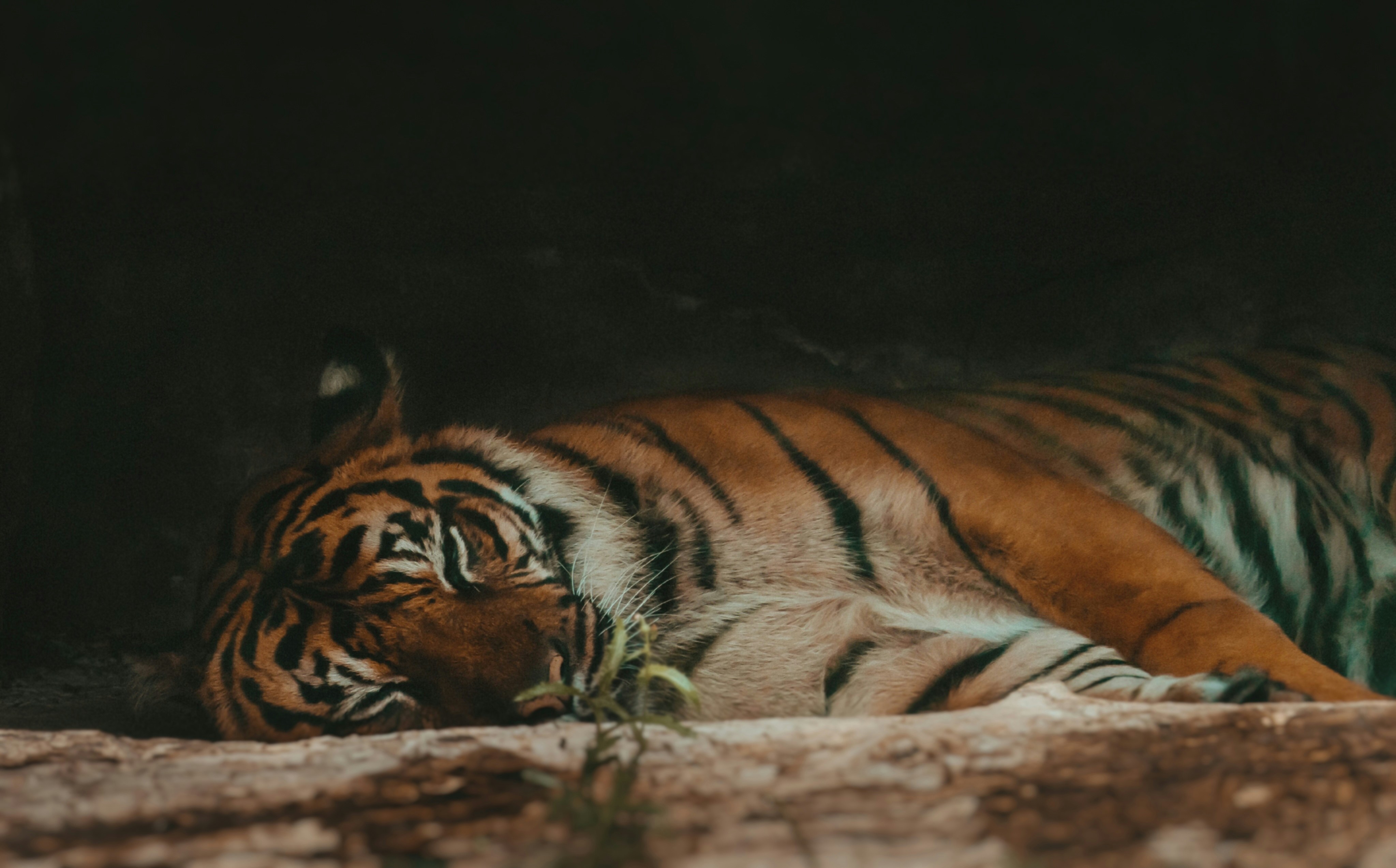
With their distinctive dark orange coats marked by closely-spaced black stripes, Sumatran tigers are not just beautiful—they're essential. As apex predators, they maintain the delicate balance of their ecosystem, controlling prey populations and ensuring the health of the forests they call home.
Sumatran tigers evolved in isolation on the island of Sumatra, developing unique characteristics that set them apart from their mainland cousins. Their smaller size and webbed toes made them excellent swimmers in the island's many rivers.
At the turn of the century, an estimated 1,000+ Sumatran tigers roamed freely across the island's vast rainforests, from coastal mangroves to mountain highlands.
Deforestation for palm oil plantations and logging dramatically reduced tiger habitat. Poaching for traditional medicine and the illegal wildlife trade pushed populations to critical levels.
The IUCN officially classified the Sumatran tiger as Critically Endangered, the highest risk category before extinction in the wild.
Conservation efforts have intensified, with dedicated rangers, anti-poaching units, and community programs working tirelessly to protect remaining populations. But the fight is far from over.
Understanding the threats is the first step toward saving them.
Over 80% of Sumatra's original forests have been cleared for palm oil, paper pulp, and agriculture. Tigers are losing their homes at an alarming rate.
Despite international bans, tigers are still hunted for their skins, bones, and body parts, driven by illegal wildlife trade and traditional medicine demand.
As forests shrink, tigers venture closer to villages in search of food, leading to deadly encounters for both humans and tigers.
All photos courtesy of Unsplash photographers. Tigers shown may include zoo-housed Sumatran tigers contributing to conservation breeding programs.
Every donation helps protect Sumatran tigers. Choose an organization below to contribute directly to their conservation efforts.
Supports Wildlife Protection Units patrolling forests, removing snares, and investigating wildlife crimes across all major tiger ecosystems in Sumatra.
Tiger Protection and Conservation Units in Kerinci Seblat National Park—the heart of Sumatran tiger territory.
Works with Fauna & Flora International in Kerinci Seblat National Park, engaging industries to create sustainable practices.
Maintains insurance populations and supports field research, ranger equipment, and habitat restoration in Indonesia.
Partners with Leuser International Foundation to support anti-poaching patrols and community education in Sumatra.
Crowdfunding platform supporting grassroots Sumatran tiger conservation projects with verified impact.
No two tigers have the same stripe pattern. Like human fingerprints, each tiger's stripes are completely unique.
Sumatran tigers have webbing between their toes, making them exceptional swimmers who love water.
Tigers can see six times better than humans in low light, making them formidable nocturnal hunters.
A tiger's roar can be heard from up to 3 kilometers away, used to communicate territory and find mates.
Sumatran tigers are the smallest living tiger subspecies, perfectly adapted to dense tropical forests.